Inside a Biohazard Cleanup: What You Need to Know About the Process and Safety Measures
Biohazard cleanup isn’t just about scrubbing surfaces—it’s a careful process that protects your family’s health and peace of mind. At Bio-One Highlands, certified cleaners follow strict safety protocols to contain hazards, disinfect thoroughly, and dispose of waste properly. In this post, you’ll see how compassion and professional standards guide every step of trauma cleanup, helping you understand what happens behind the scenes when your home or property needs trusted care. For more information on the essential steps involved, visit this guide on biohazard cleanup.
Understanding Biohazard Cleanup

Biohazard cleanup is more than just tidying up; it’s a protective measure for your health. Let’s explore how certified experts manage these delicate situations.
The Role of Certified Cleaners
Certified cleaners play a crucial part in ensuring safety during a biohazard cleanup. They are trained to handle dangerous materials with care. Their expertise allows them to identify potential hazards and deal with them effectively.
Imagine you’ve just encountered a traumatic event at home. You want someone who knows exactly what to do. Certified cleaners provide that assurance. They use specialized equipment and follow strict protocols to restore safety. This means you can focus on healing while they focus on the cleanup.
Certified cleaners don’t just clean; they provide peace of mind. By using their skills, they help transform chaotic situations into safe environments. To learn more about how these experts are trained, you can check out What Kind of Training Do Biohazard Cleaning Technicians Receive.
Importance of Safety Protocols
Safety protocols are critical in biohazard cleanup to protect everyone involved. These rules ensure that cleanup is thorough and hazards are contained.
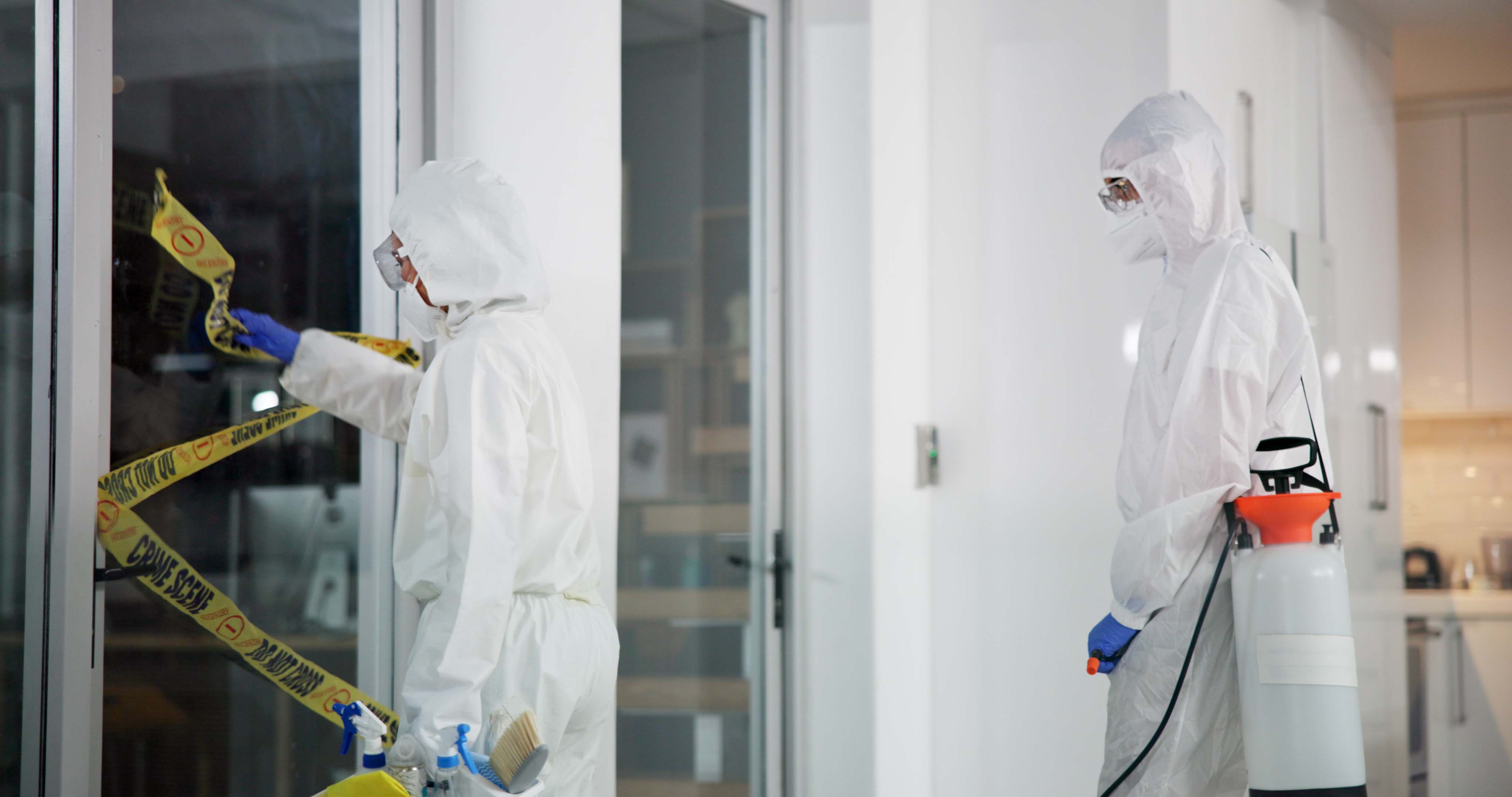
When a biohazard occurs, you might worry about your family’s safety. Safety protocols are there to ease these concerns. They involve wearing protective gear, sealing off affected areas, and using approved methods for decontamination. This systematic approach minimizes risks and ensures a safe environment post-cleanup.
By following these protocols, cleanup experts not only safeguard your health but also prevent future risks. The longer you wait for cleanup, the greater the danger. So, it’s vital to act quickly. For a deeper dive into these safety measures, explore this essential guide to crime scene cleanup.
The Cleanup Process Explained

Understanding the steps involved in a biohazard cleanup can demystify the process. Let’s break down how containment and disposal are managed.
Containment and Decontamination Steps
Containment is the first step in managing a biohazard. It involves sealing off affected areas to prevent the spread of contaminants. This is followed by decontamination, where cleaners use special solutions to sanitize the area.
For example, if there’s a spill of bodily fluids, certified cleaners will first isolate the area and then apply powerful disinfectants. This two-step process ensures complete sanitation.
Containment and decontamination are not just about cleaning. They are about safeguarding your home and loved ones. Most people think contamination stops after initial cleaning, but decontamination continues until all safety measures are met. Learn more about these steps from ISSA’s article on biohazard cleaning.
Proper Disposal of Hazardous Waste
Disposing of hazardous waste properly is essential to prevent further contamination. Certified cleaners follow strict guidelines to ensure waste is handled correctly.
Hazardous waste includes materials such as contaminated clothing, used cleaning supplies, and other items exposed to biohazards. These items are placed in labeled containers and sent to specialized facilities for destruction. This step is crucial because improper disposal can lead to health risks.
By ensuring proper disposal, cleanup experts protect not just your home but also the environment. This attention to detail sets professionals apart from uncertified cleaners. For more on waste disposal methods, visit 360 Hazardous Materials.
Compassion in Trauma Cleanup

Trauma cleanup is not solely about technical skills; it’s about showing compassion. Let’s see how empathy is woven into professional standards.
Balancing Professional Standards and Care
Biohazard cleanup requires a balance between adhering to professional standards and providing empathetic care. Cleaners must be precise and thorough, but they also need to address the emotional needs of those affected.
Imagine a family dealing with a traumatic loss. They need more than a cleanup crew; they need understanding and support. This is where expert cleaners shine. They approach each situation with sensitivity, ensuring that clients feel respected and cared for.
At Bio-One Highlands, the motto “Help First, Business Second” reflects this commitment. The goal is to restore not just your property, but also your peace of mind.
How Cleanup Experts Support Families 🌟
Support goes beyond just cleaning. It’s about being there when families need it most. Cleanup experts lend a listening ear and offer compassionate guidance throughout the process.
For instance, they might help families understand what to expect during cleanup or offer resources for additional support. This holistic approach builds trust and reassures families they are not alone.
By choosing a cleanup service with a heart, you ensure that your family’s emotional needs are met alongside the physical cleanup. This compassionate approach sets Bio-One Highlands apart as a true partner in recovery.
In summary, biohazard cleanup is intricate and essential. It combines technical skill with empathy to provide comprehensive care. Understanding this process can bring reassurance during difficult times.