

Identifying Clutter vs. Hoarding: When Does a Mess Become a Danger?
Clutter can feel overwhelming, but when does it cross the line into hoarding? More importantly, when does a mess start putting your safety at risk? Knowing the signs can protect your home and loved ones from hidden dangers that call for professional help. Let’s walk through what sets clutter apart from a dangerous mess—and how compassionate service can make all the difference. For more information, check out this guide on understanding the difference between clutter and hoarding.
Understanding Clutter and Hoarding

The line between clutter and hoarding can be thin, but knowing where you stand is crucial for your well-being. Let’s explore the key differences that could help you identify what’s happening in your space.
Signs of Clutter Versus Hoarding
Clutter is usually temporary and manageable. Think of a messy room that you can tidy up in a weekend. Most people have clutter—it’s normal. But hoarding is different. It involves a compulsive need to keep items, even if they have no real value. Clutter might be a pile of clothes, whereas hoarding could mean rooms filled with stuff you can’t even walk through.
How do you know if it’s clutter or hoarding? Consider the impact on your life. If you can still easily navigate your home and it doesn’t cause stress or arguments, it’s probably just clutter. But if you find it hard to move around or you’re embarrassed to have visitors, it might be hoarding. Curious to learn more? This article delves deeper into the differences.
Psychological Impacts on Families
Living in clutter can be stressful, but hoarding can affect your entire family. It often creates tension and conflict. Children might feel embarrassed to bring friends home. Partners might argue over the mess. The emotional toll is significant.
But it’s not just about arguments. Hoarding can lead to isolation. Family members might withdraw from social activities, feeling too ashamed to invite others over. This isolation can worsen feelings of anxiety and depression.
Feeling overwhelmed is common. Most people think they can handle it alone, but sometimes a little help makes all the difference. Understanding these impacts can be the first step towards improving your living situation. For more insights, consider this resource.
When a Mess Becomes Dangerous
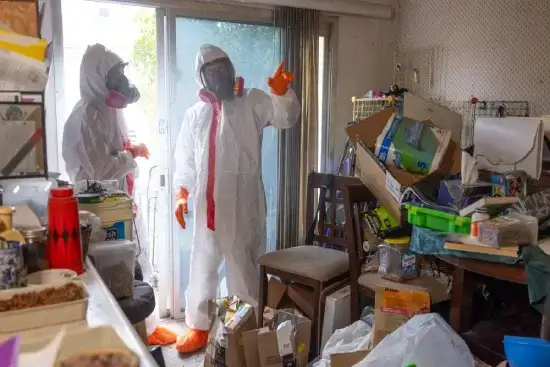
A cluttered home might seem harmless, but when does it turn into a hazard? Recognizing the signs early can prevent real danger.
Recognizing Safety Hazards
A cluttered room might just be untidy, but a hoarded space can be risky. Fire hazards are one significant concern. When exits are blocked or flammable items pile up, it increases the fire risk. Tripping over items is another danger, leading to potential injuries.
Blocked pathways can also delay emergency responders. Imagine needing urgent medical help and paramedics can’t get through. It’s crucial to ensure clear pathways and exits in your home.
Do you have children or elderly family members? Cluttered homes can be particularly dangerous for them. A simple trip might result in serious injury. The longer you wait, the higher the risk. Ensuring safety means addressing these issues sooner rather than later.
The Role of Professional Help
When clutter becomes overwhelming, professional help can be a game-changer. Experts can assess the situation and offer solutions tailored to your needs. They bring an objective perspective, seeing things you might overlook.
Professionals use proven methods to declutter. They also help you decide what to keep or discard. Their experience ensures the process is efficient and respectful. Handling a mess on your own can be daunting. But with expert help, you can restore safety and peace of mind faster than you think.
If you’re unsure where to begin, this guide offers practical steps to start your journey.
Compassionate Cleanup Solutions

When a mess impacts your well-being, turning to compassionate cleanup solutions can make all the difference.
Biohazard Cleanup Explained
Sometimes, clutter isn’t just inconvenient—it can be hazardous. Biohazard cleanup involves removing dangerous substances like bodily fluids, mold, or other contaminants. Professionals are trained to handle these situations safely, using specialized equipment and techniques.
Why is this crucial? Mishandling biohazards can put your health at risk. Trained experts ensure thorough cleaning, leaving your home safe and habitable. They also adhere to strict regulations, ensuring the process is both effective and compliant.
Are you dealing with potential biohazards? Remember, this isn’t something to tackle alone. Professional intervention ensures safety for everyone involved.
How Compassionate Service Can Help
Compassionate service goes beyond just cleaning up a mess. It’s about understanding your emotional needs during a difficult time. Professionals approach the situation with empathy, ensuring you feel supported every step of the way.
They respect your space and privacy, working discreetly to restore your home. Their goal is to leave your space not only clean but also comforting. Imagine walking into your home and feeling at peace again—that’s the true value of compassionate service.
Feeling overwhelmed is common, but you don’t have to face it alone. With the right help, you can turn your home back into a safe haven. Consider reaching out to local experts who prioritize care and respect in their services.
In conclusion, recognizing when clutter becomes a danger is crucial for maintaining a safe and healthy home. Whether you need help distinguishing between clutter and hoarding, or you’re facing potential biohazards, remember that professional, compassionate service is always available to restore peace of mind.