

Recognizing Hoarding: When Clutter Becomes a Hazard
Clutter can start small but grow into something dangerous without clear signs. When does a mess cross into hoarding cleanup territory, putting your health and safety at risk? In this post, you’ll learn how to spot clutter dangers before they become biohazards, so you can protect yourself and your loved ones. If you recognize these signs in a home, contact Bio-One Highlands for compassionate and professional cleanup support today. For more information on understanding the difference between clutter and hoarding, visit this guide.
Recognizing Clutter Dangers

When does clutter become more than just a mess? It’s crucial to understand the fine line between a cluttered space and a potential hazard. Recognizing clutter dangers can prevent health and safety risks for you and your loved ones.
Signs of Hoarding Behavior
Have you ever wondered if a messy room is just cluttered or if it’s something more? Hoarding behavior often starts with difficulty discarding items, even things that seem useless. Have you noticed an accumulation of items that makes spaces unusable? This is a common sign of hoarding.
-
Difficulty Letting Go: Many who hoard feel intense distress at the thought of discarding items. It’s not about laziness; it’s about fear of loss.
-
Space Functionality: When items block pathways or make rooms unusable, it’s a red flag. Imagine a kitchen so full that cooking becomes impossible.
Understanding these signs helps you spot hoarding behavior early. Most people think clutter is harmless, but recognizing these signs can be the key to preventing dangers. Learn more about distinguishing between clutter and hoarding with this resource.
Health and Safety Risks
Why is it important to tackle hoarding early? Hoarding doesn’t just clutter your space; it can pose serious health and safety risks. These risks can affect everyone in the home, sometimes with dire consequences.
-
Fire Hazards: Piles of belongings can easily become a fire hazard. In an emergency, blocked exits can prevent escape.
-
Air Quality: Dust and mold can build up, leading to respiratory issues. For those with allergies or asthma, this can be especially dangerous.
Ignoring these risks can lead to severe outcomes. Tackling the issue early ensures a safer environment for everyone. Most believe a little mess is harmless, but the risks can escalate quickly. For detailed guidelines, check out this document.
Professional Decontamination Steps
What steps are involved in professional hoarding cleanup? It’s more than just clearing out items. Professional decontamination ensures that your home is safe and habitable.
-
Assessment: Professionals assess the entire space, identifying hazards and planning the cleanup.
-
Sorting and Removal: Items are sorted, with valuable or sentimental items set aside. Unnecessary items are safely disposed of.
-
Deep Cleaning: The space is thoroughly cleaned and disinfected to remove all health hazards.
These steps ensure your home is not only clutter-free but also safe. The longer you wait, the greater the risks become. Understanding these steps can provide peace of mind. Visit this guide to learn about dealing with extreme hoarding.
When Clutter Becomes Biohazard
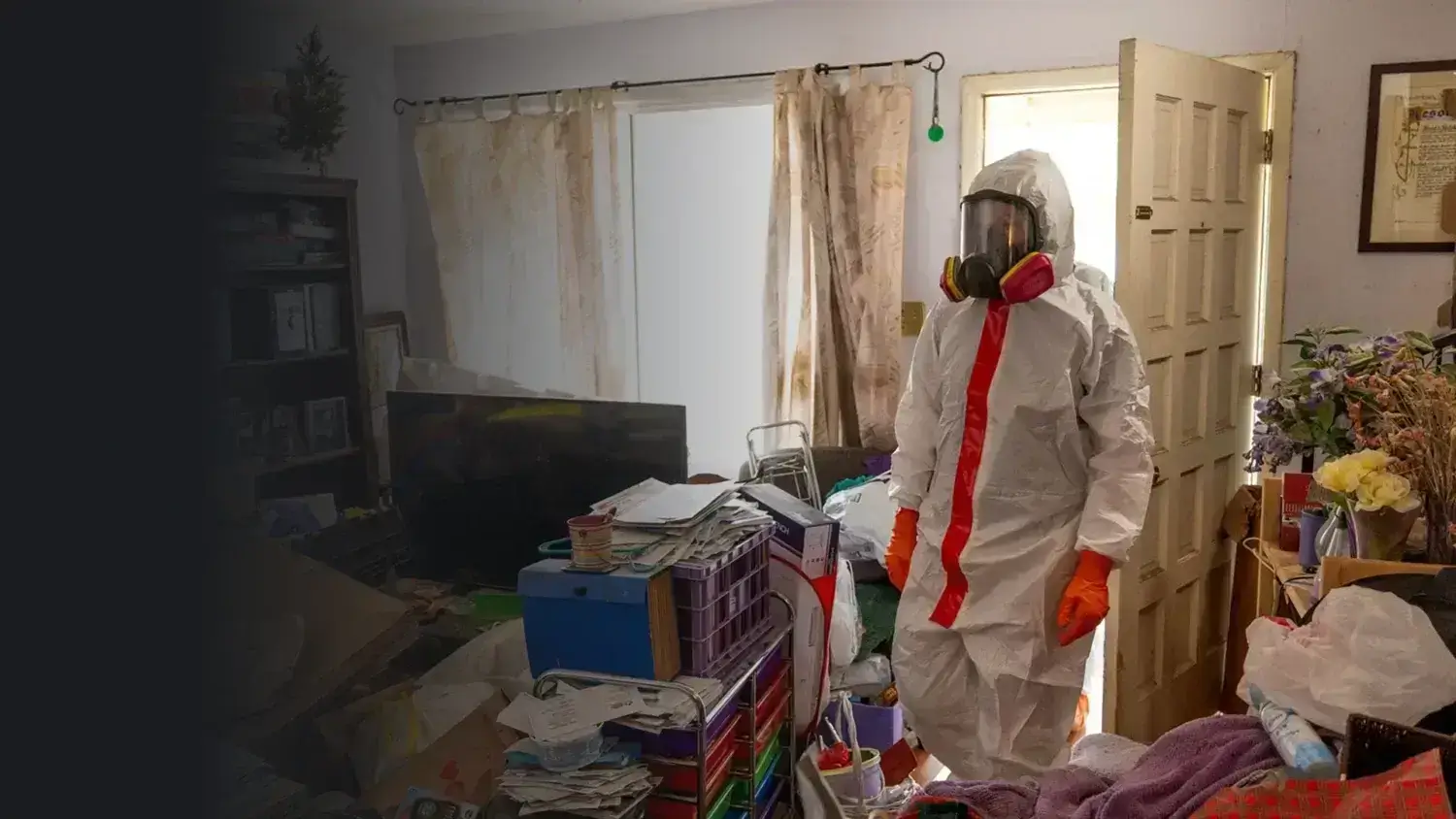
Recognizing when clutter turns into a biohazard is vital. It can be the difference between living in safety and putting your health at risk. Let’s explore how to identify these conditions.
Identifying Biohazardous Conditions
Could your cluttered space be more dangerous than it seems? Biohazardous conditions often arise from neglect, where clutter has built up over time.
-
Pest Infestations: Clutter can attract pests like rodents and insects. They bring diseases that can impact human health.
-
Rot and Decay: Perishable items left unattended can rot, creating a breeding ground for bacteria.
It’s crucial to identify these conditions early. Most people underestimate the dangers of clutter, but ignoring these signs can lead to serious health issues.
Risks of Ignoring Hoarding
What happens if hoarding is left unchecked? Ignoring hoarding can lead to escalating risks that affect both physical health and emotional well-being.
-
Structural Damage: Over time, the weight of accumulated items can damage the structure of your home.
-
Isolation: Hoarding can lead to isolation as individuals become embarrassed to have visitors.
These risks can have lasting impacts on quality of life. Tackling hoarding with compassion and care ensures better outcomes for everyone involved.
Seeking Compassionate Service
How can you ensure compassionate service during a cleanup? Choosing the right service provider is crucial for respectful and effective resolution.
-
Personalized Approach: Look for services that tailor their approach to your needs, offering understanding and empathy.
-
Professional Standards: Ensure the team is trained and certified to handle biohazardous situations with care.
Selecting the right service can make a difficult process more manageable. If you’re in need, Bio-One Highlands offers compassionate, professional service.
Protecting Your Home and Loved Ones

Taking action to protect your home and loved ones is essential. Here’s how you can ensure safety and peace of mind for everyone involved.
When to Contact Bio-One Highlands
Wondering when to call in the professionals? Knowing when to seek help can prevent small issues from becoming major problems.
-
Persistent Clutter: If clutter persists despite your efforts, professional help may be needed.
-
Health Concerns: If you notice health issues arising from your environment, it’s time to act.
Don’t wait until it’s too late. Contacting a professional service like Bio-One Highlands can make all the difference.
Support for Families and Communities
How can communities support those affected by hoarding? Community support is vital for successful outcomes.
-
Awareness Programs: Educating communities about hoarding helps reduce stigma and encourages early intervention.
-
Family Involvement: Families play a critical role in supporting loved ones and should be involved in the process.
Understanding the importance of community support helps create a more compassionate environment for everyone.
Ensuring a Safe Environment for All
What steps can you take to ensure a safe environment? Regular maintenance and monitoring can prevent future issues.
-
Routine Checks: Regularly assess your space for signs of clutter and address issues early.
-
Open Communication: Encourage open dialogue about hoarding to reduce stigma and promote understanding.
Taking these steps ensures a safe and supportive environment for all. Remember, you’re not alone—help is always available.