

A Day in the Life of a Biohazard Cleanup Professional: Compassion in Action
Most people never see what goes into biohazard cleanup. Behind every emergency decontamination call is a team balancing technical skill with deep care for people’s pain. When trauma strikes your home or workplace, knowing how compassionate cleanup unfolds can bring real comfort. Let me walk you through a day with Bio-One Highlands’ professionals—your neighbors focused on restoring safety and peace with every step. For more insight into this profession, check out this article.
Morning Briefing and Preparation

The day begins early at Bio-One Highlands, where every team member gathers for a crucial morning briefing. This sets the tone for a day filled with empathy and readiness.
Team Huddle and Assignments
In the team huddle, roles are clear, but compassion takes the lead. Each member is assigned specific tasks, ensuring no detail is overlooked. The team understands the weight of their work. They aren’t just cleaning; they are restoring dignity and safety. Communication is key, and everyone knows their part in the day’s mission. The huddle ends with a reminder: every task today is a step toward healing for someone in need. Most people think of cleanup as purely technical, but here, it’s about heart as much as it is about skill.
Gathering Essential Tools
Next comes the preparation of tools. Protective gear, powerful disinfectants, and specialized equipment are all checked and loaded. This isn’t just about being thorough; it’s about ensuring safety and efficiency. Each tool has a role in the cleanup, from removing harmful substances to sealing off affected areas. The team knows that having the right tools means they can focus more on being present for those affected. The longer you wait to prepare, the harder the task becomes. With everything in place, they head to the site, ready for the challenges ahead.
On-Site Compassionate Cleanup

Arriving at the scene, the team is met with the gravity of the situation. Their approach is twofold: address the physical cleanup and provide emotional support to those affected.
Assessing the Trauma Scene
Upon arrival, the team assesses the area. They look for biohazards, measure the extent of contamination, and devise a plan. This is where trauma scene cleaning comes into play. It’s not just about removing stains or odors; it’s about ensuring a safe environment for everyone involved. The team works methodically, knowing that each step is crucial. Each team member knows that their work today allows families to focus on healing, not on the trauma left behind.
Ensuring Emotional Support
Compassion drives every action. Team members offer a kind word, a listening ear. They’re not just there to clean; they’re there to help you through this difficult time. Offering emotional support is not a task on a checklist. It’s an integral part of their service. They reassure you that it’s okay to feel overwhelmed, and they’re here to lift some of that burden. This is what sets compassionate cleanup apart—it’s about caring for both the space and the soul.
Community Safety and Aftercare
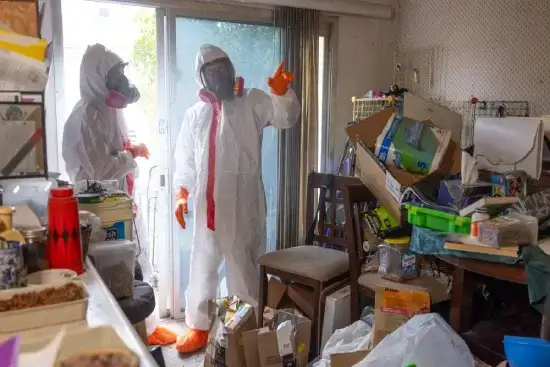
As the scene becomes safer, focus shifts to ensuring long-term safety and offering ongoing support to those affected by trauma.
Decontamination and Disposal Procedures
The cleanup process involves meticulous decontamination and proper disposal of hazardous materials. The team follows strict protocols to ensure no trace of danger remains. They use specialized techniques, knowing that thoroughness is key to community safety. Cleaning up isn’t just about what you see; it’s also about what you don’t see—the hidden risks that must be addressed. By the end of this process, the area is not just clean; it’s truly safe. For a deeper understanding of these procedures, explore this resource.
Providing Ongoing Support and Resources
Cleanup doesn’t end with decontamination. The team offers resources and guidance to help you move forward. They provide information on local support groups, counseling services, and more. Knowing where to turn for help is a vital step in recovery. You’re not alone in this journey—Bio-One Highlands stands by you, ready to assist even after their work is done. This ongoing support is what transforms a cleanup service into a community lifeline. The journey to recovery is long, but with the right support, it becomes manageable.
In the end, Bio-One Highlands is more than just a service. They are your partners in restoration, offering hope and healing in every step.